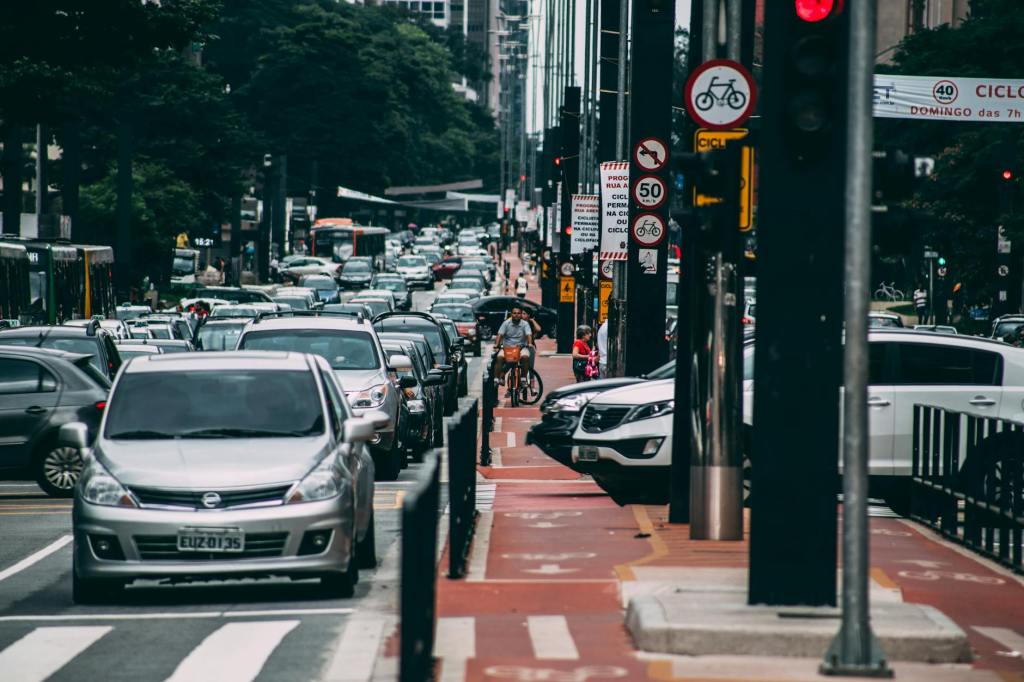
Let’s go ahead and say the quiet part out loud—five days a week in the office with 2 to 4-hour round-trip commutes is exhausting. Mentally. Physically. Emotionally. Period.
And yet here we are, in 2025, watching companies and entire government agencies try to force people back into outdated work models like nothing happened. The pandemic wasn’t just a blip. It was a global reset—a wake-up call that showed us what was possible. And now? Now it feels like they’re trying to cram new wine into old wine skins.
Spoiler alert: it won’t hold.
Let’s talk about this buzzword they love to throw around—“work-life balance.”
How are folks supposed to feel balanced when they’re sitting in traffic for hours, barely seeing their families, operating on fumes, and working from environments that aren’t even optimized for real productivity? I bet you can’t name one person who got called back to the office full-time and is now living their best, most centered life. Their equilibrium is totally off!
The Hybrid Model Was Already on the Horizon
Let’s not act brand new here. Before the pandemic, we were already heading toward more flexible work. The hybrid model was coming. COVID-19 just shoved it to the forefront, proving on a global scale that people could work from home and still get the job done.
Sure, not everyone was perfect at it. Some folks had to adjust to a different level of discipline. Personal skills might’ve taken a hit for some, but swinging the pendulum all the way back to 100% in-office isn’t the solution. It’s a reaction—one rooted more in control than in data or productivity.
People Want Options, Not Exhaustion
Now more than ever, people are open to exploring flexible, meaningful ways to work and earn good income. They want to live—not just work to live. That means more time with their families, more time to pursue passion projects, and less time spent stuck on the interstate or crowded trains.
And let’s be real—technology isn’t slowing down for outdated office policies.
AI Is Already Changing the Game
Whether we like it or not, AI is becoming the co-worker nobody saw coming. It’s fast, efficient, and (let’s be honest) a little intimidating. But instead of fearing it, we need to embrace the shift. AI will eventually outwork our need to be physically present at the same capacity—and that’s not necessarily a bad thing.
Why? Because just like the invention of the internet and personal computers, AI will create new industries, new needs, and new job opportunities. It’ll need human oversight, ethical policing, creative direction, and emotional intelligence—things only we bring to the table.
Think this is brand new? Let me take you back.
Were people in the 1960s out here sending emails, joining Zoom calls, or running e-commerce shops from their phones? I’ll wait.
We adapted.
We learned.
And we’ll do it again.
Time to Evolve or Be Left Behind
The truth is this: forcing a full return to the office is not about progress—it’s about comfort in the familiar. But the world has changed. And if companies, agencies, and leaders don’t catch up, they risk losing some of their brightest minds to burnout, boredom, and better opportunities.
People want meaningful work. They want flexibility. They want freedom.
And they’ve tasted it now—so good luck trying to unring that bell.
It’s time we stopped trying to make old models work for a new world.
We’ve got the tools. We’ve got the talent. We just need the courage to evolve.
At minimum a combination of 2 days in and 3 days out of office keeps the balance of Hi-Tech and Hi-Touch. I don’t believe we can take the human connection away, but I also believe that we are not going to out innovate technology either. It will get scary if we don’t plan to shift.
Joy Junkie





 Joy Wasted with KB Dickey
Leave a comment