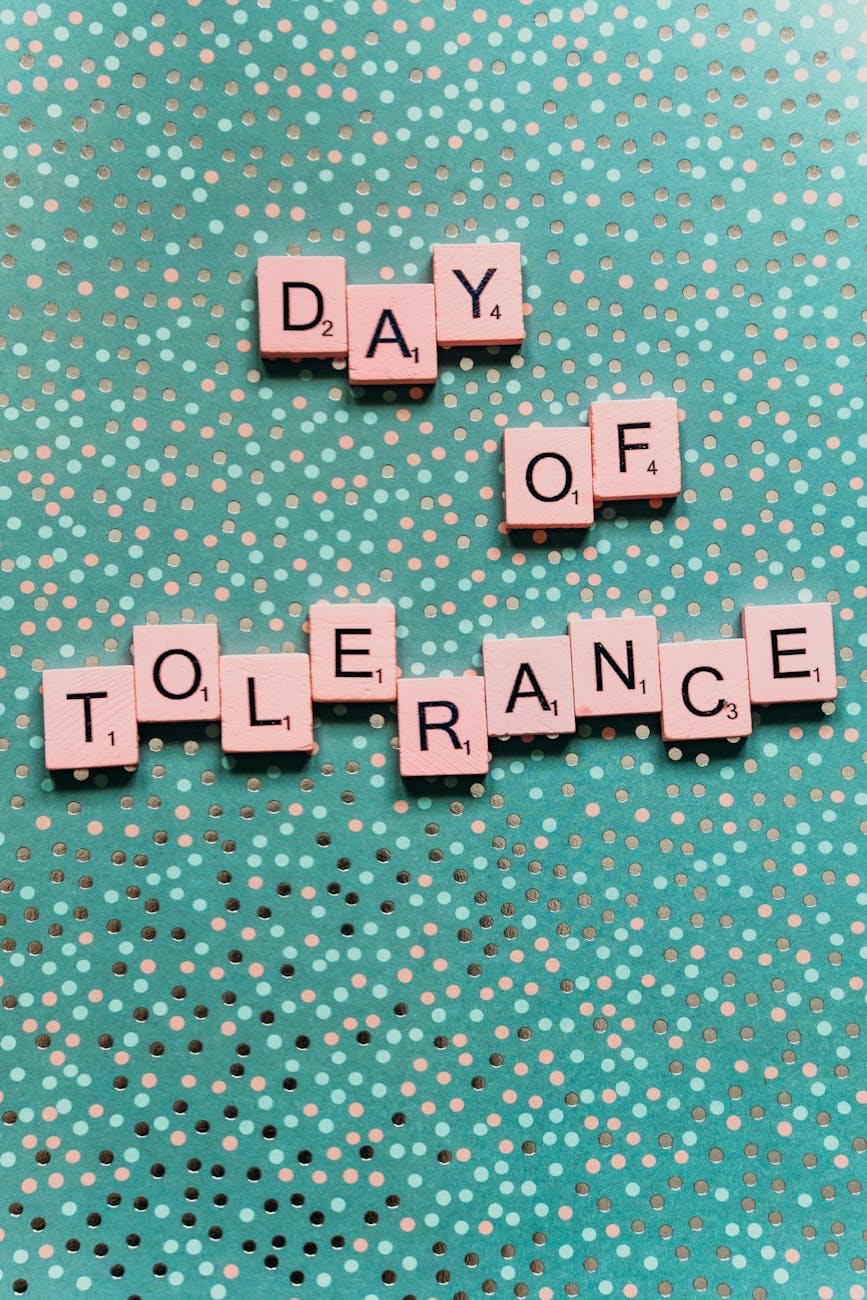
Part Two: When You’re at Capacity in All Areas
What you tolerate each day is doing far more than testing your patience—it’s quietly shaping who you are becoming.
If your home environment drains you, no amount of success outside of it will ever restore you. Promotions won’t heal it. Money won’t compensate for it. Productivity won’t override it. Eventually, the imbalance always shows up—first in your body, then in your emotions, and finally in your spirit.
This is part two of yesterday’s conversation, because this topic doesn’t deserve a one‑and‑done reflection.
I talk with a lot of people daily—leaders, parents, professionals, builders, caregivers—and the one common thread I hear is this: people are tired. Deeply tired. Not the kind of tired sleep fixes, but the kind that feels like your internal reserves are empty.
Some days, I feel it too.
There are moments when I’m so full—of responsibility, expectations, emotions, unfinished thoughts—that I can literally feel my body trying to suppress what I’m holding just to “keep the peace.”
And let me say this clearly:
That is not coping.
That is not strength.
That is self‑sabotage and self‑abandonment.
Your body suppressing truth for the sake of harmony is not peace—it’s slow internal damage.
So what do you do when you’re at capacity in all areas?
First, Let’s Name What “At Capacity” Really Means
Being at capacity doesn’t mean you’re failing. It means:
- You’ve been responsible for too much for too long
- You’ve been accommodating without replenishment
- You’ve ignored your own signals to avoid discomfort or conflict
Capacity isn’t just physical exhaustion. It’s emotional overload, decision fatigue, and spiritual depletion happening all at once.
And when capacity is exceeded repeatedly, tolerance becomes your enemy.
You start tolerating:
- Noise when you crave quiet
- Tension instead of safety
- Disrespect disguised as “that’s just how they are”
- Pace that outpaces your ability to recover
Over time, tolerance trains you to shrink, numb, or harden—none of which align with becoming your healthiest self.
When Suppression Feels Like Survival
Many of us were conditioned to believe that holding it together was maturity. That staying quiet was wisdom. That absorbing chaos was proof of strength.
But suppression is expensive.
It costs you:
- Your joy
- Your clarity
- Your creativity
- Your physical health
When your body begins suppressing for the sake of peace, it’s waving a red flag—not applauding your resilience.
Peace that requires you to disappear is not peace.
When You’re at Capacity, Addition Is Not the Answer
The instinct when overwhelmed is often to add:
- Add motivation
- Add productivity hacks
- Add better routines
- Add prayer without rest
- Add more effort
But when you’re truly at capacity, addition only deepens depletion.
Capacity requires subtraction.
What to Do When You’re Truly at Capacity
1. Stop Negotiating With Reality
You cannot heal what you keep explaining away. If something is draining you daily, label it honestly. Minimizing it delays relief.
2. Create a Non‑Negotiable Reset Space
Even if you share your home, you need one protected space—physical or temporal—where your nervous system can downshift. This might be:
- Ten minutes of silence
- A locked door and deep breathing
- A walk without your phone
Rest is not earned. It’s required.
3. Release the Myth of “Holding It All Together”
Nothing good grows in constant compression. When everything is being held in, something inside you is being held back.
Safe release—journaling, prayer, movement, honest conversation—is maintenance, not weakness.
4. Redefine Peace
True peace supports your nervous system; it doesn’t suppress it. Peace allows truth without punishment. If “peace” costs you your voice or well‑being, it’s performance—not safety.
5. Adjust Tolerance Levels
Ask yourself: What have I normalized that my body is rejecting?
Your tolerance threshold may need to lower, not increase.
6. Honor God as the Source—and Yourself as the Resource
God is infinite. You are not. Stewardship means managing yourself with the same care you give your responsibilities.
When the resource is depleted, the source is often waiting for you to stop running long enough to receive.
Becoming Requires Courageous Awareness
Who you are becoming is shaped in the quiet moments—by what you accept, accommodate, silence, or delay addressing.
You don’t have to fix everything today.
But you do have to stop pretending it isn’t costing you.
Being at capacity is not the end—it’s the signal.
The invitation to shift from survival to stewardship.
Rest is wisdom.
Boundaries are love.
And peace should feel like breathing—not bracing.
You are allowed to choose environments, rhythms, and relationships that support who you’re becoming—not just who you’ve been required to be.
Joy Junkie






 Joy Wasted with KB Dickey
Leave a comment