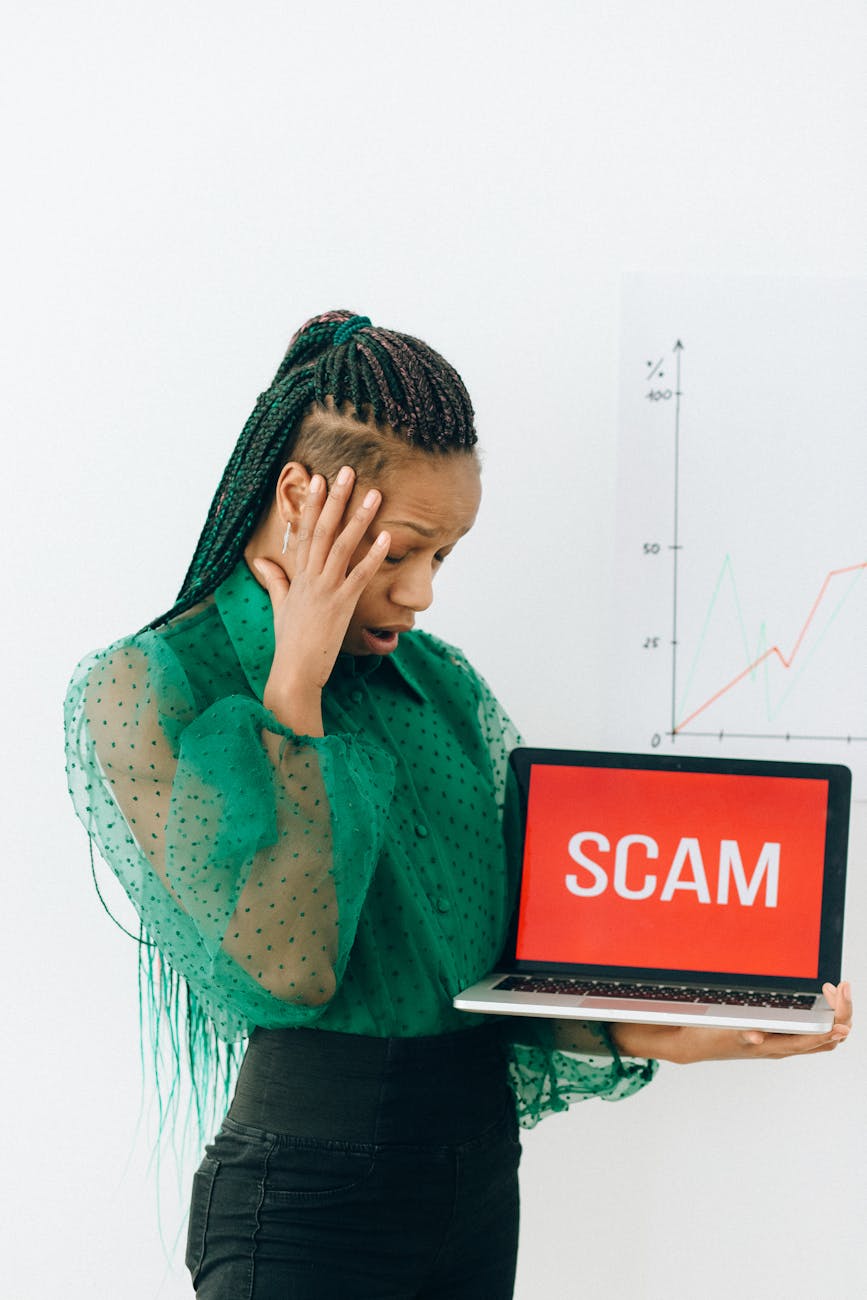
We’ve all been there—hearing about an opportunity that promises something amazing, but immediately, our skepticism kicks in. “This sounds too good to be true.” Why? Because in today’s world, the default response to anything promising a better life or financial freedom is often met with cynicism. But how did we get here? Why is the mass majority so wary of anything that seems positive or promising?
The Rise of the “Too Good to Be True” Mentality
There’s no denying that scams are real, and many people have experienced—or know someone who has been hurt by—get-rich-quick schemes, phishing scams, or fraudulent investments. The internet, while an incredible tool for connection and opportunity, has also become a breeding ground for deceit. With so many people having fallen victim to scams over the years, it’s no surprise that we’ve become conditioned to see everything with a skeptical lens.
People have learned the hard way that not everything is what it seems. They’ve seen friends, family, or even themselves lose money, time, or dignity, and that leads to one conclusion: trust no one.
Living in Quiet Desperation
What’s sad is that while we’re all sitting in our suspicion, many people are missing out on life-changing opportunities. They’re living lives of quiet desperation, grinding through their day-to-day because they can’t risk trusting anything new. They’ve been burned, and that fear of getting hurt again holds them back.
The problem is that in shielding ourselves from potential scams, we also shield ourselves from potential growth. We lock the door not just to the con artists but also to the real, authentic opportunities that could change our lives for the better. Fear becomes the wall that separates people from their true potential.
The Impact of AI and Tech on Trust
Now let’s talk about AI. As technology advances, it’s becoming harder to distinguish what’s real from what’s fake. From AI-generated ads to chatbots that mimic human interaction, it’s tough to know if we’re even communicating with a real person. This adds another layer of doubt.
With AI’s ability to create hyper-realistic scams or misleading offers, people are even more hesitant to trust what they see online. It’s ironic, because the same technology that could help us connect and improve our lives is also creating barriers to that connection.
Are People Losing Authenticity?
Part of the problem is that people are getting used to not being authentically themselves. We’ve created a culture where “faking it” has become normal—whether that’s faking confidence, success, or even personal connections. People are so guarded, so worried about being vulnerable or getting taken advantage of, that they don’t show their true selves.
And when people don’t show up authentically, it becomes harder to form real, deep connections. Everyone’s hiding behind a mask, which makes it hard to distinguish who’s genuine and who’s not. So, we continue to distrust, and the cycle of skepticism grows.
Breaking Down the Barriers
So, how do we break through these walls of distrust, especially when trying to network or connect online? The answer lies in authenticity and consistency. People want to know you’re real—they want to see the human behind the message. Here are a few ways to build trust:
- Be Transparent: Don’t hide behind a facade. Be open about who you are, what you’re offering, and the value you bring to the table. People can sense honesty, and that’s a great starting point for trust.
- Provide Value First: Before you ask for something in return, offer something of value. Whether it’s advice, insight, or a helpful resource, show people that you’re here to give, not just take.
- Share Your Story: When people understand your journey, they’re more likely to connect with you. Let them see the challenges you’ve faced and how you’ve overcome them. Authentic stories resonate on a deeper level.
- Consistency: Trust is built over time. Consistently show up, be reliable, and follow through on what you say you’re going to do. Trust is not earned overnight.
- Use Real Testimonials: There’s power in social proof. Let others share their positive experiences with you or your product. Genuine testimonials from real people go a long way in breaking down walls.
Advice for the Wary
If you’re someone who’s been burned in the past and finds it hard to trust, here’s some advice: Don’t let one bad experience define your future. Yes, be cautious and do your research, but don’t close yourself off to every opportunity. Not every offer is a scam, and not every person has ill intentions.
Instead, develop your ability to discern. Look for the signs of authenticity, and don’t be afraid to ask questions. When something feels right, trust your gut. You don’t have to jump in blindly, but dipping your toes in the water of opportunity is better than sitting on the shore of fear.
The Real Answers
Ultimately, the distrust we see today comes from a place of fear—fear of being hurt, scammed, or taken advantage of. But that same fear can keep us from experiencing genuine connections, growth, and success. The key is learning to navigate the fine line between caution and openness.
In a world full of facades, showing up as your true self is the most powerful thing you can do. Be real, be honest, and don’t let fear dictate your future. The more authentic you are, the more likely you are to break through the barriers and connect with others on a deeper level. And isn’t that what we’re all looking for in the end? Real, meaningful connections that help us grow, learn, and thrive.






 Joy Wasted with KB Dickey
Leave a reply to jrjohnny2214 Cancel reply